|
30th December
|
|
|
|
Local nutters predictably up in arms about lap dancing club
|
Portland Road is a typical high street just outside of Hove town centre. It seems a perfectly good place for a discreet nightclub. From the The Argus see
full article
|
Plans for exotic dancing in the Portland Hotel, Portland Road, Hove, have been met with predictable 'fury' by local nutters.
But John Sturgeon, the joint licensee for the hotel and pub, said the main thrust of the application was to allow smokers
to satisfy their habits until 4.30am, rather than turn the venue into a strip club. He added that if he does decide to hold events they will not involve full nudity.
He said: Smoking has killed the trade and we need to do anything we can to
pay the bills. We are not trying to upset anyone and if we do use it would be table dancing and it would not be regular.
Celia Barlow, nutter MP for Hove, has written to the chairman of the council's licensing committee to express her
opposition: This application is utterly inappropriate for a residential area such as Portland Road. There are a large number of young families in this area, as well as a local junior school. These clubs have no place in a community such as this. I
hope the licensing committee rejects this idea for the madness it is.
City councillor and prospective Green Parliamentary candidate for Hove Ian Davey lives near the venue. He said: Local residents are both shocked and scared by this move
from the pub to set up a pole and lap dancing establishment on their doorstep. Whilst this is a generally peaceful residential area, residents like many others in the city are suffering increasingly from sleepless nights as a consequence of ever later
licences.
Residents have gathered more than 50 letters and a petition with 150 names objecting to the proposals.
If the licence is granted, it would become the sixth venue to hold exotic dancing in the city. Consultation has now
closed but because of opposition to the move a licensing committee will rule on the application in the New Year.
|
|
29th December
|
|
|
|
Wandsworth lap dancing idea scrapped
|
Maybe a good way to get a night club license, suggest lap dancing and later back off to nutter's relief and approval. Based on an article from Wimbledon
Guardian
|
Plans for a lap-dancing club next to Wandsworth Town Hall have been dropped after objections from residents and councillors.
Agora Entertainment Ltd applied for permission to provide adult entertainment by way of striptease, semi nude and fully
nude dancing" on the upper floors of the former Theatre nightclub in Wandsworth High Street.
Wandsworth Council's licensing sub-committee were due to make a decision on the proposal on January 10. But today the council received written
confirmation from the applicants that plans were being withdrawn.
Agora is continuing with their licencing application for the club, called Inigma, with music, dancing and the sale of alcoholic drinks until 3am Wednesday to Sunday and 2am on
Mondays and Tuesdays.
Council leader Edward Lister welcomed the announcement. He said: This is a sensible move by the owners and they should be congratulated for finally making the right decision. The lap-dancing idea had whipped up a storm of
protest from local residents who quite rightly did not believe that a residential area, and home to so many young families, was the right place for this kind of establishment.
There is still concern from some neighbours over the proposed late
opening hours of the nightclub.
Coun Lister said the licensing sub-committee would be focusing their attention on the new adjusted application.
|
|
27th December
|
|
|
|
You'd be Surprised
|
From the Times
|
A study published in the British Medical Journal in 2005 pointed out, little is known about the men who pay for sex. That study found that the proportion of British men who reported paying for heterosexual sex had increased from 5.6% in 1990 to 9%
in 2000. Of these, the largest group were in their mid-twenties to mid-thirties, living in London and either single or divorced. ... Disconcertingly, the men to whom I spoke suggested that lack of any emotional obligation is one of the most
appealing attributes of paying for sex. It's just a case of getting something out of the way, says Tom, who after his fifthencounter described how he felt a very cold reaction, very emotionless — you've lost that pent-up aggression and you just
want to get out of there.
I have felt more guilt after one-nightstands than I have felt after going to a prostitute. As long as prostitution is done in a legal and consensual way, there is almost more honesty in it than in picking up a
girl in a bar, where you are toying with people's emotions and giving false impressions in order to get something physical. In the real world — that is, the world where sex stems from boy-meets-girl rather than boy-pays-girl — there are
always emotional obligations attached, no matter how casual the liaison. Neither Sam nor Tom is an emotional vandal, the sort of man who swaggers blithely through women's lives with a philosophy of love 'em and leave 'em.
They see themselves as
the good guys, the ones who don't want to lie, cheat and make promises that they can't (or won't) keep to have sex. So, with what seems perverse logic, they sleep with prostitutes instead.
With a prostitute you both know what you're doing it for.
She's doing it for the money, you're doing it for sex. I've had guilty feelings [after visiting a prostitute] but never the same as I've had with a one-night stand. ... The cold truth is that many men today, regardless of how
eligible, rich and dashing they may be, don't go to prostitutes because they can't get laid. They go because, frankly, it's an easier way of getting laid. See full article
|
|
17th December
|
|
|
|
Hustler Club opens in Croydon
|
Based on an article from Daily Star see full article
|
Friday's grand opening of the UK's first Hustler Club in Croydon attracted a huge crowd. The venue was previously another lap dancing club, For Your Eyes Only.
With its swanky leather interior, dark corners and eclectic music, Hustlers
looks set to rake in the crowds of Croydon.
An array of two for one topless dances from each girl throughout the night makes this a more than adequate choice for any stag-do.
With bar prices ranging from £17 for a bottle of house
wine to £55 for a bottle of champagne private it's slightly above your average price range.
The good news is that nude dances are cheaper than a bottle of Pinot, priced at just £20.
Legendary Larry Flynt wanted bring more
style and less seediness to topless bars and he's certainly done it with this one.
Entrance fee: £10
|
|
16th December
|
|
|
|
Tacky council want to ban fun inflatables
|
From Blackpool Gazette see full
article
|
Blow up dolls are to be banned in Blackpool.
Stall holders are now being warned the council and police will use their powers to seize sex-related items considered offensive.
The move follows the launch of the council's new code of conduct
this year which urges stag and hen parties to have more respect for other visitors and residents.
Council leader Coun Peter Callow has pledged to "clean up" the town's often tacky image.
He said: We've all seen blow up dolls
and other vulgar items for sale on the Prom. Although it may appear as a bit of harmless fun, for many it can be deemed offensive.
We are warning traders now, before they order their stock for next season, that we have the powers to remove
any inappropriate items and we will definitely be using this legislation .
I have made my intentions clear on cleaning up our town and this is just one of a number of enforcement actions we will take to ensure that everyone who comes to
Blackpool enjoys themselves without the behaviour of the small minority ruining it for them.
Sex related articles such as lewd inflatable novelty goods are not acceptable and are not something children should be exposed to.
|
|
15th December
|
|
|
|
Lap dancing denied after nutter appeal
|
Based on an article from Northern Echo see
full article
|
Magistrates have upheld an appeal against the granting of a licence permitting lap dancing three nights a week at the Loft nightclub, in Durham City.
The licensing appeal panel backed residents and other opponents of what some termed
"a strip club" at the North Road premises.
Panel chairman Glynn Wales said it would aggravate rather than alleviate late night disorder in the area.
The panel agreed that Durham City Council, whose licensing committee
granted initial approval, should meet the appellants' costs of £2,795.
Among opponents of lap dancing at the club was Durham MP Roberta Blackman-Woods who said it was "totally unsuitable" near the city's World Heritage sites. She
described the appeal outcome as a victory for local people who stood up for what they believed was right.
She criticised the city's Liberal Democrat-led council over its original ruling: Durham City Council needs to now accept it had
the ability and duty to say 'no' to this club opening and, once again, got it wrong. She called on the council to "look carefully" at how it came to its decision.
Durham City Council said "morality" appeared to be the
major concern at the original hearing.A council statement yesterday said: Table dancing is not an illegal activity and therefore cannot be refused just because of what it is. There was insufficient evidence given at the initial hearing and the
professional bodies did not, and still do not, object to this application, and, they are the very people the panel must consider of importance in looking at such applications, as well as taking into account the concerns of the public.
Nightclub owner Vimac Leisure has yet to comment on the appeal decision.
Opponents had previously made s silent protest against the planned venue. About 80 people met in Durham City's Market Place to demonstrate against the plans. The protest was timed to coincide with the start of then appeal.
Update: New Lap Dancing Policy 24th December 2007 Durham City Council has published a draft new licensing policy. Councillor Sue Pitts,
portfolio holder for leisure and culture, said: It doesn't alter the legal position in terms of The Loft one bit, which will sadden people I think, because we would have liked to have been protected from that type of application.
The new
policy says each application would be considered on its merits, but lap dancing would only be allowed:
- Where it cannot be seen from the street
- In a designated area away from a club's main room
- Where dancers can reach a dressing room without passing through the audience.
The licensing policy was drawn up following a three-month consultation, which ended in October.
|
|
14th December
|
|
|
|
Nutters get wound up by lap dancing in Dunfermline
|
From the BBC see full article
|
The owner of a lap-dancing chain has said he has never experienced opposition as strong as he has in Fife.
Church leaders, an MP and local people have all said they do not want the "gentlemen's club" which opened two weeks ago in
Dunfermline town centre.
A petition has been circulating and has so far been signed by about 300 people.
The man running Private Eyes insisted the club was legitimate and legal and that he would not be hounded out of town by the minority.
Cochrane told BBC Scotland news website: I've never seen this level of opposition. I think everybody is getting worked up about something they know little about. It's not affecting trade. People are coming to see what it's all about. We've
been at capacity every weekend.
Father David Barr from St Margaret's RC Church said: People were expressing their concern that such a place could open up in the middle of town. My objection would be on a social level as well as on a
spiritual one.
Dunfermline and West Fife MP Willie Rennie insisted the club was "sleazy". He said: Dunfermline is going through a magical transformation at the moment and to have this lap dancing club doesn't fit into the image
we are trying to portray. It's down to market forces now. I hope the people don't use it.
|
|
5th December
|
|
|
|
Inadequate explanation of rejected Archway lap dancing
|
Based on an article from Islington Gazette see
full
article
|
After seven hours of wrangling at Islington Town Hall, Dr Sardar Imtiaz, owner of the Archway Tavern, had his application thrown out to the delight of nutters.
His plan was to stage naked pole dancing at the pub on Archway roundabout seven days a
week from 10pm until 5am. It brought hundreds of letters of objection.
Dr Imtiaz turned down a chance to agree that the dancing should be merely topless - instead, holding out for the right to stage full frontal nudity. He backed up his case by
claiming that that nude clubs are not morally wrong, adding that even the new prime minister of Australia as been to a strip club - to the hilarity of onlookers.
But councillors were more impressed by the impassioned arguments of
Archway-based lawyer Richard Barker. Barker forced Dr Sardar to admit he had never even been to a strip club before, let alone run one, before saying: Pole dancing clubs involve naked women dancing inches from men who have had a lot to drink and there
is no evidence the applicant could control such a business. He wants one with no experience whatsoever.
They haven't even filled out the public safety box in the application so they can't have thought about it that much. Would the applicant like
to have a lap-dancing club outside his house? I don't think so.
Announcing the decision to reject the plans, Councillor George Allan said: The applicants have failed to supply adequate explanation of how they will operate the adult
entertainment. He added that the council also believed the plans would lead to increased crime and disorder.
Protesters were delighted at the decision but promised to fight any appeal. Kate Calvert of the Better Archway Forum said: I was
very pleased and the committee had sound reasons for rejecting the application. They felt it was not going to be a properly run establishment.
|
|
|


 David Cameron recently said: "We have to be honest - the past decade or so has seen the growing sexualisation of our society, where sex is aimed at an ever younger audience and it's cool to treat women like sex
objects."
David Cameron recently said: "We have to be honest - the past decade or so has seen the growing sexualisation of our society, where sex is aimed at an ever younger audience and it's cool to treat women like sex
objects." 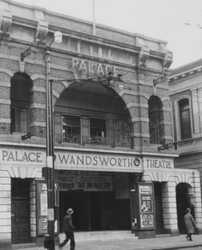 Members of the Salvation Army met for a prayer meeting outside Wandsworth Theatre to raise concerns over a planned lap dancing club at the historic venue.
  Darren Bush, owner of Minnesota Jax has withdrawn his application to turn his Eastbourne business into the town's first naked lap dancing venue.
 A Scottish nutters study of men who buy sex from prostitutes has found most would be deterred if their names were put on the sex offenders register as punishment.
  Scotland's largest police force will adopt an aggressive approach to tackling kerb-crawlers after the introduction of new legislation next week which will leave convicted victims facing hefty fines.